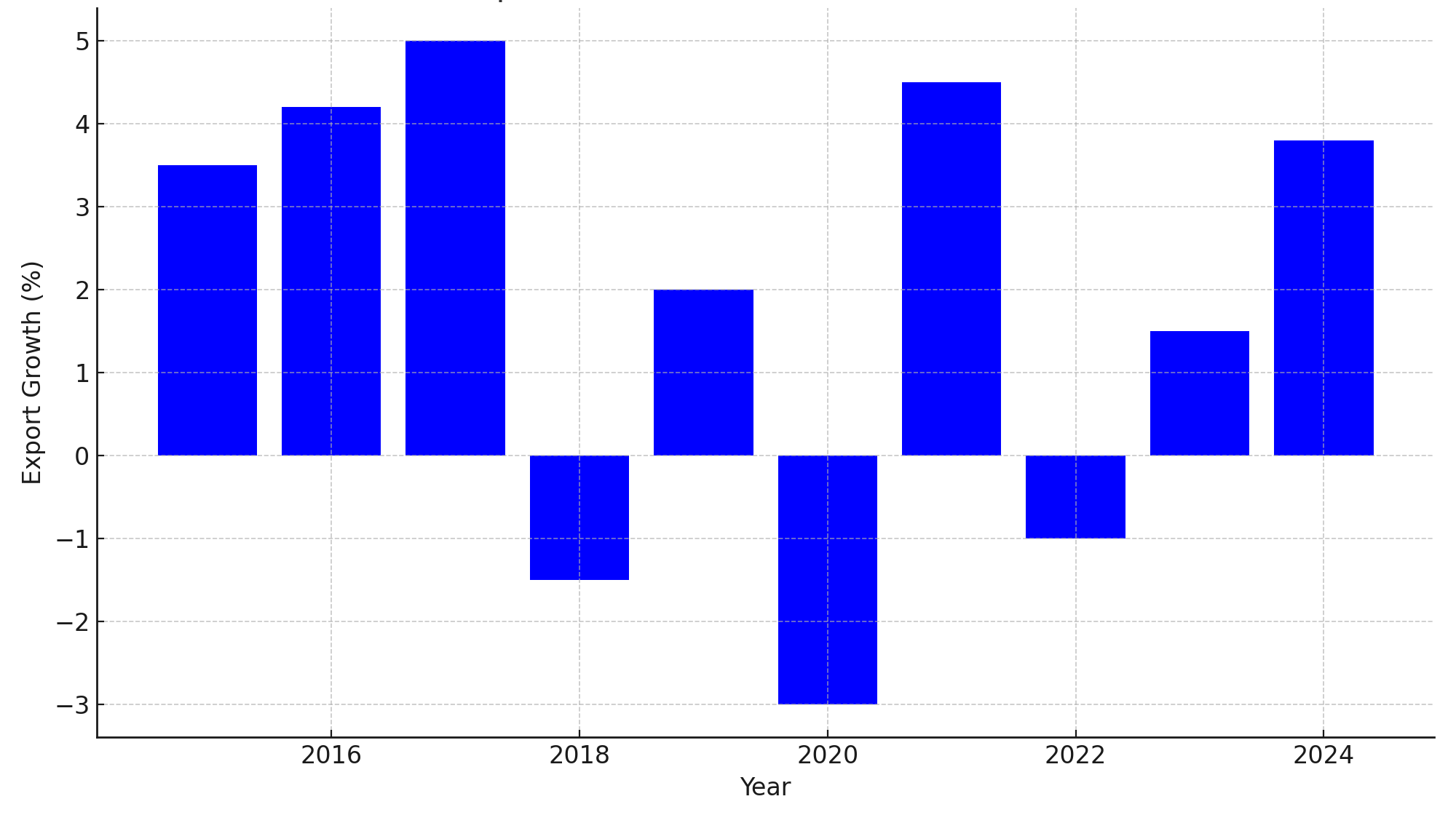
This study assesses the limitations of Gross Domestic Product (GDP) as a major indicator of the development of socialist economies through a comparative analysis of China’s socialist market economy and Cuba’s planned economy. The analysis showcases that China’s mixed economic structure, which combines market mechanisms with state control, has achieved growth, but many public services and state assets are undervalued by traditional GDP measure. Similarly, Cuba’s state-dominated economy produces extraordinary social outcomes in education and healthcare, and GDP cannot fully measure its contributions to the social development which means that the non-economic benefits brought by such governmental investments were undervalued due to statistical difficulties created by current GDP metric. Both examples uncovered the internal bias of GDP against monetized transactions, which ignores socialist economies’ priorities. To reduce these gaps, the study recommends combining GDP with other multidimensional metrics, integrating social welfare indicators and collective asset valuations. This hybrid approach could better reflect the development goals of the socialist system, emphasizing collective welfare rather than market-centered growth.
Research Article
Open Access