


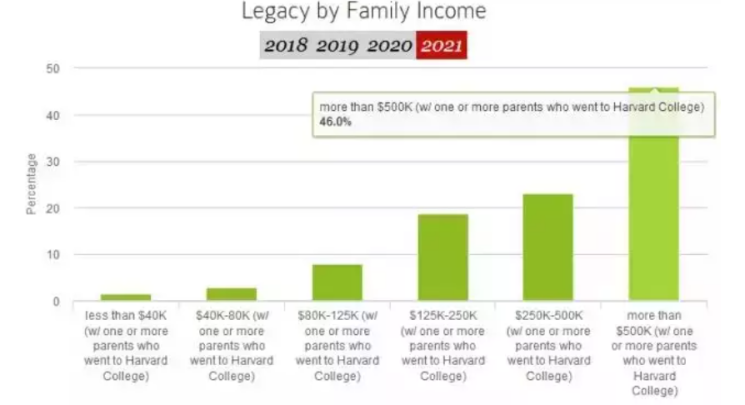
In the United States, the poor often consume unhealthy food due to its low cost, leading to health issues and a vicious cycle of poverty. In contrast, healthy food is more affordable in China, mitigating this particular issue. The paper discusses the formation reasons behind these phenomena and proposes policy recommendations for both governments to address social inequality. This paper also presents a comparative analysis of social stratification in China and the United States, with a particular focus on education and healthcare. It highlights the uneven distribution of quality education resources in both countries, where students from wealthier families have greater access to prestigious universities. For China, it suggests loosening restrictions on tutoring institutions while ensuring their legality and validity, and establishing more schools in less developed areas. For the United States, it advocates for more government subsidies for poor students, funding for all types of colleges and universities, food subsidies directed towards healthy foods, and regulation of hospital and healthcare industry charging practices. The findings contribute to the broader understanding of social inequality in both countries and provide a foundation for further exploration in this area.