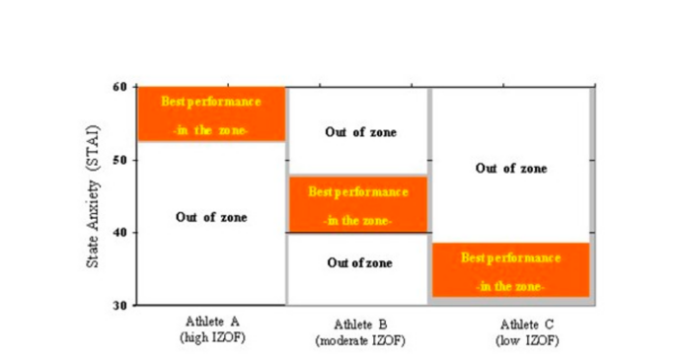
This paper examines the significant impact of emotions on sports performance, exploring both positive and negative emotional states and their influence on athletic outcomes. Emotions, as complex affective states, shape perception, judgment, and behavior, making them a critical focus in sports psychology. Utilizing the Individual Zones of Optimal Functioning (IZOF) model, we assess how athletes perform best within unique emotional ranges and how deviating from these zones can hinder performance. Positive emotions, fostering openness and flexibility, generally enhance performance up to a certain intensity, while excessive levels may backfire. Conversely, negative emotions like stress can impair focus but, when controlled, may serve as performance “challenges.” The paper delves into emotional intelligence, emphasizing its role in helping athletes recognize, manage, and leverage their emotions for peak performance. Practical applications are proposed for coaches and teams, including emotional monitoring, team-based identity building, and mental training techniques. Future research directions advocate for integrating technology in personalized emotional training, alongside considerations of cultural contexts, to refine athlete performance in high-pressure environments.