Articles in this Volume

Research Article Open Access
Analyzing Public Perception of Autonomous Vehicles Through Social Media Data: A YouTube Comment Study on Tesla Autopilot Accidents
Article thumbnail
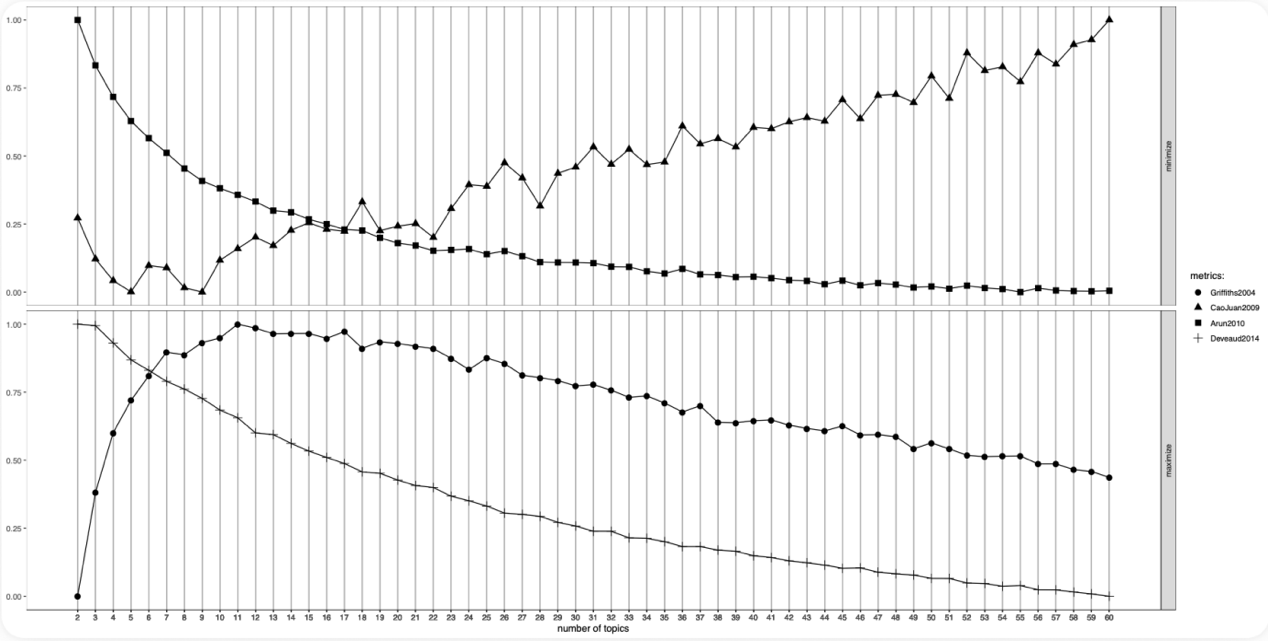
Based on current studies related to public perception, technology acceptance, and risk communication for autonomous driving, this study examines emotional and cognitive processes of the general public regarding actual crash incidents involving Tesla's Autopilot technology. This analysis is conducted for comments surrounding three highly viewed YouTube videos on Tesla accident incidents using topic modeling analysis, sentiment analysis, and comparison of network analysis. This study clarifies the existence of four polarized themes surrounding public perception: Technological Skepticism, Satire and Comparison, Safety Concerns, and Attribution of Responsibility. Additionally, sentiment analysis indicates primarily negative emotional undertones for comments surrounding Technological Skepticism and safety concerns but shows higher levels of Rationality and Trust for comments related to Attribution of Responsibility. Utilizing Quadratic Assignment Procedure analysis, it is apparent that differences do exist for the emotional composition of comments among each of the three analyzed videos, verifying media framing's influence on overall sentiment among the masses. This study serves to validate empirical research for risk communication and corporate crisis management for Autonomous Driving Technology and develops for this field of study its "Incident-Emotional Response" paradigm and contributes to empirical advancements for emotional processes relating to acceptance for new technology development.
Show more
Read Article PDF
Cite
Research Article Open Access
Effect of Cultural Environment and Handedness on Spatial-valence Association
Article thumbnail
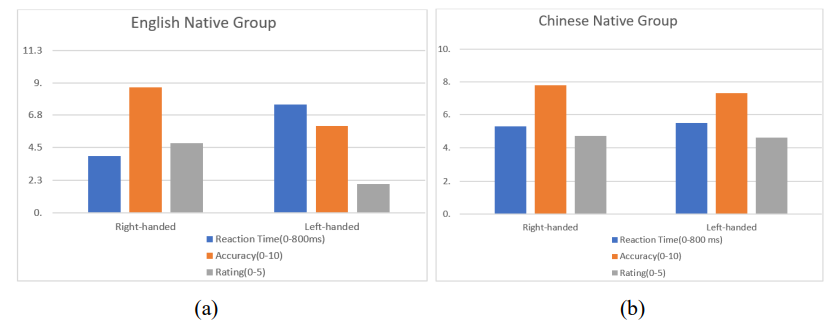
This study investigates the interaction between cultural-linguistic environment and handedness in shaping spatial-valence associations, addressing a key debate in embodied cognition regarding the relative influence of body-specific experience (nature) versus cultural-linguistic context (nurture). We compared English monolinguals, whose language reinforces “right = good, left = bad” metaphors, with Chinese monolinguals, whose language lacks strong spatial-valence connotations. Using a 2×2 between-subjects design (culture × handedness), we measured reaction times, accuracy, and subjective preferences in a spatial-emotional matching task. Results indicate that while right-handed English speakers exhibited stronger spatial-affective congruence consistent with the Body-Specificity Hypothesis, Chinese speakers would show attenuated effects, suggesting that cultural-linguistic context can modulate body-based preferences. These findings highlight the nuanced role of culture in embodied cognition and imply that psychological tools relying on spatial-valence mappings should account for cultural and handedness differences. This study contributes to the theoretical understanding of how nature and nurture interact in cognitive processing and offers practical insights for cross-cultural psychological assessment and intervention.
Show more
Read Article PDF
Cite
Research Article Open Access
Marine Culture and Urban Evolution: Cultural Implications in the Naming of Qingdao's Metro System
Article thumbnail
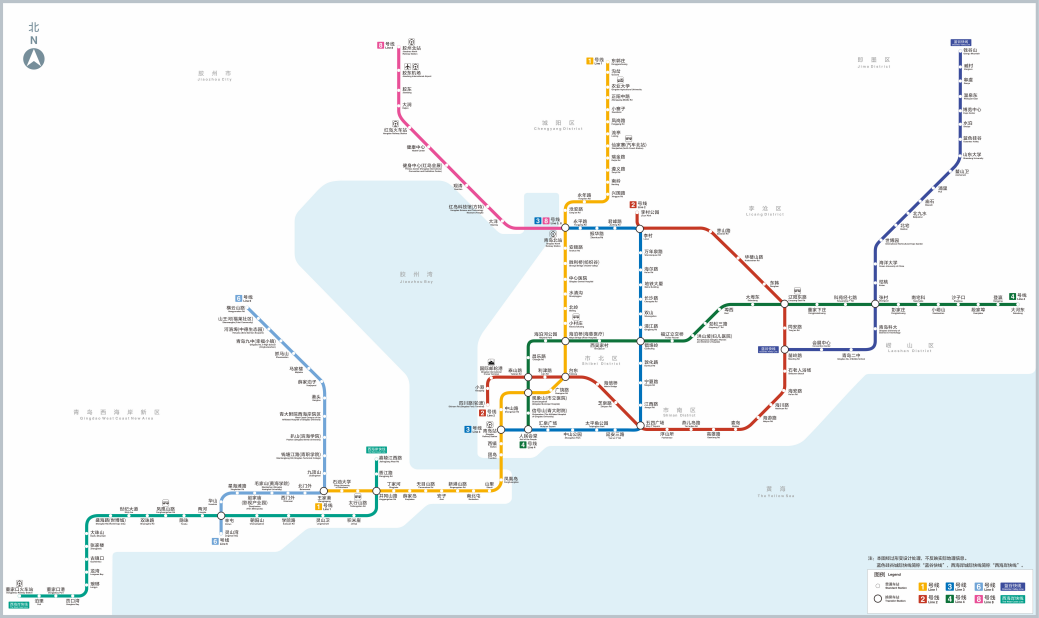
As a coastal city with diverse cultures and complex linguistic conditions, Qingdao features a distinctive set of metro station names that form an important part of its urban linguistic landscape, which is worthy of in-depth exploration. Taking 172 stations across 8 Qingdao Metro lines as the research object, this paper combines qualitative and quantitative methods to analyze their linguistic characteristics from four dimensions: naming methods, phonetics, character usage and lexical structure. The study finds that Qingdao metro station names are mainly named after streets, supplemented by natural geographical features and residential areas; phonetically, they consist three or four syllables, conforming to common patterns in Chinese expression; high-frequency characters such as "Lu (Road)", "Shan (Mountain)", "Hai (Sea)" and "Dao (Island)" highlight the city's transportation network and coastal hilly landform characteristics; and the lexical structure follows the paradigm "specific name + general name". Based on these findings, this paper points out existing problems in the language use of current metro station names, mainly including unbalanced naming categories within the station name system, syllable redundancy and weakened functions of historical station names, and puts forward corresponding optimization suggestions. This research can provide a useful reference for the construction of Qingdao's urban linguistic landscape, the standardization of language and characters, as well as linguistic studies in similar coastal cities.
Show more
Read Article PDF
Cite
Research Article Open Access
Evaluation and Optimization Strategies of Community Public Space Based on the Context of Aging in Place
Article thumbnail
Amid global aging acceleration, building aging-friendly community public spaces is critical. This paper uses literature review, field surveys and AHP to construct an evaluation system with four dimensions: pedestrian traffic, facilities, safety and spatial environment. Taking 3 Shanghai communities as cases and 300 questionnaires for empirical analysis, it finds common issues (poor sanitation, discontinuous roads, unclear signs): Chunjiang Community performs best, Jiangchuan Road Auto Community has risks like uneven ground, northern Shaanxi communities need most improvements. Based on low-score factors, it puts forward optimization strategies (health management, pedestrian networks, guidance systems) and a collaborative mechanism, aiming to shift aging-friendly construction from passive response to active optimization.
Show more
Read Article PDF
Cite
Research Article Open Access
Difference in People's Evaluations of Narcissistic Female and Male Leaders, and Whether This Difference Is Moderated by Cultural Context (Collectivist vs. Individualist Societies)
Article thumbnail
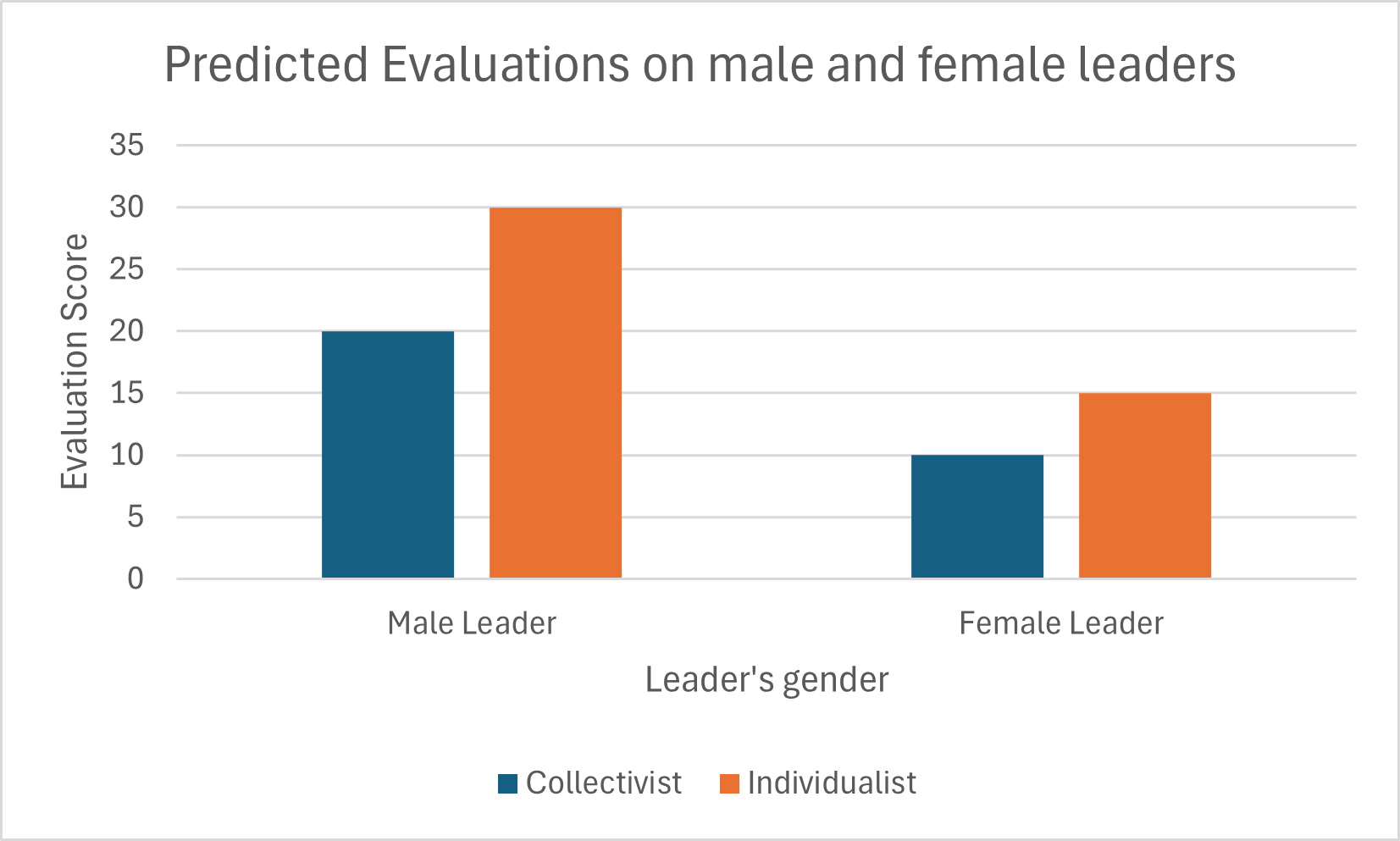
The study investigates gender biases in workplace settings, especially on people's perception and evaluation of narcissistic male leader and female leader, with cultural context as the moderator. A combined sample of US and Chinese participants (n = 265) will be recruited to complete an online questionnaire, assessing their evaluations of narcissistic male and female leader and their cultural preference (horizontal/vertical collectivist or individualist). The study predicts that narcissistic leader, especially female narcissistic leader, will be evaluated more harshly across two cultures, and they will be evaluated more negatively in people who have collectivism beliefs than in people who have individualism beliefs.
Show more
Read Article PDF
Cite
Research Article Open Access
Race, Sexualization, and Perceptions of Women's Skills and Attractiveness on Social Media
This research will investigate how observers evaluate women's competence and attractiveness through social media photo content based on their racial background. Research indicates that women who share sexualized content through revealing images or suggestive poses receive lower competence assessments from observers even though their qualifications remain unchanged. This research will extend on previous studies, investigating how different racial and gender stereotypes affect human perception. This study will present participants with profiles of women from four racial backgrounds (White, Black, Asian and Latina) who appear in both sexualized and non-sexualized photos for competence and attractiveness assessments. The research predicts that sexualized images will produce decreased competence ratings and increased attractiveness assessments among all groups yet Black and Latina women will experience the most significant competence devaluation. These findings will eventually demonstrate how digital bias combines racial and gender factors, which will enhance social media literacy and workplace bias understanding.
Show more
Read Article PDF
Cite
Research Article Open Access
A Study on Land Worship Reflected in Tree Images of Han Dynasty Stone Reliefs
As an important visual carrier of the funeral culture in the Han Dynasty, the images on Han Dynasty stone reliefs not only reflect the Han people's cosmology, religious views and social structure, but also contain rich hierarchical symbolic meanings. Starting from the evolution of the concept of land and its forms of worship, this paper attempts to re-examine the common "tree images" in Han Dynasty stone reliefs. The study argues that these tree patterns are not merely simple reproductions of mythological symbols, but are closely related to the concept of "Earth Mother" and the belief of "Sheshu (sacred community tree)" in land worship during the Han Dynasty funeral rituals. Moreover, it provides a new perspective for revealing the significance of trees in the ancient Chinese tomb system.
Show more
Read Article PDF
Cite
Research Article Open Access
Performance Profiles Differentiating Winning and Losing Teams in the 2025 FIBA 3x3 Asia Cup
33 basketball is competing at the Olympics, but the performance factors are not clear. Structure limitations such as fewer players, 12 seconds shot clock and two-point field goals valued at one point indicate that success factors may differ from 55 basketball. We recorded all eight knockout games of the 2025 FIBA 33 Asia Cup video observation. Core statistics and efficiency (offensive and defensive ratings) were also recorded. Independent t-tests and Linear Mixed Models were used, Cohen's d was reported. Two-point attempts did not differ significantly between winners and losers. Winners reached the free-throw line more often (3.75 1.28 vs 2.25 1.83, p = 0.045, d = 1.10) and they played better defensively (d = 0.79), assists (d = 0.75), steals (d = 0.97) and turnovers (d = 0.82). Efficiency measures are also consistent with these results: winners received higher offensive ratings (d = 1.36), allowed less points per possession (d = 1.55) and recovered more balls per possession (d = 1.21). Success in elite 33 basketball is driven less by the frequency of long range shooting and more by interior pressure, disciplined possession, and defensive disruption.
Show more
Read Article PDF
Cite
Research Article Open Access
The Impact of Human-Oriented Conflict Resolution Mechanisms on Team Maturity in University Student Startup Teams: The Moderating Role of Perceived Organizational Support
The entrepreneurial groups of college students are faced with difficulties in solving people-centered conflicts (statements on the levels of values, emotions and cognitions), and do not take full advantage of the organizations support, which prevents the emergence of the team maturity. To solve this problem, the current study has performed systematic content analysis of 139 research texts (comprising of academic literature, policy documents as well as practical cases). The findings of the research made three major discoveries: firstly, the effects of people-based conflict resolution mechanisms on team maturity exhibit dimension-specific relationships: value mediation seniority privileges primarily goal consensus, emotional guidance privileges general efficiency, and cognitive synergy privileges risk resilience significantly. Secondly, apparent organizational backing does a significant positive moderating role. Being perceived as supported by the policy enhances the relationship between the mediation of value and goal consensus and the relationship between cognitive synergy and risk resilience. Perceived University-Enterprise support has the greatest moderating influence on the association between emotional guidance and collaboration efficiency and perceived social resource support principally supports the influence of cognitive synergy on risk resilience. Thirdly, there is a great deal of heterogeneity: The teams at the public universities have more policy support and cognitive synergy, whereas the teams at the private universities have more industrial collaboration to compensate lack of resources; technology-oriented teams benefit most of cognitive synergy, and service-oriented teams require priority emotional guidance. This paper conceptually explains the route in between people-focused conflict management and group maturity and offers a more practical and differentiated approaches to the stakeholders.
Show more
Read Article PDF
Cite
Research Article Open Access
A Study on the Double-Edged Sword Effect of STARA Awareness on Task Performance
Article thumbnail
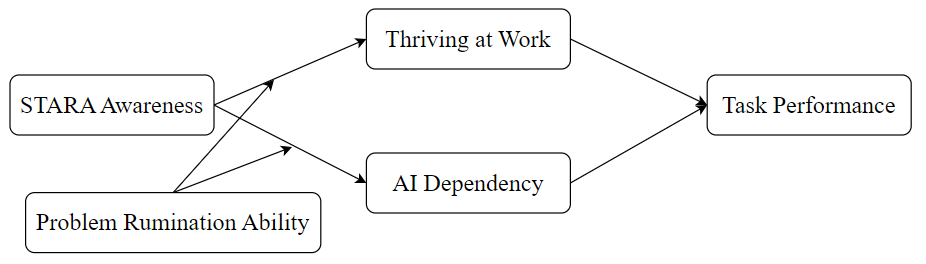
In the era of digital economy, intelligent technologies are transforming the internal operation methods of enterprises. Informed by the theory of stress cognitive appraisal and analyzing the survey data of 400 employees, this study explores how STARA awareness affects employees' task performance at the psychological level. The finding indicate: STARA awareness has a double-edged effect. The positively influencing task performance through thriving at work while negatively impacting it via AI dependency. The problem rumination ability has a different regulatory effect. On one hand, high rumination ability will enhance the positive effect of STARA awareness on thriving at work and positively moderate its influence on task performance. On other hand, high levels of rumination ability will weaken the positive effect of STARA awareness on AI dependency, at the same time negatively moderate its influence.
Show more
Read Article PDF
Cite